
News & Events
Microdermabrasion Add-On
1. What Is Microdermabrasion?
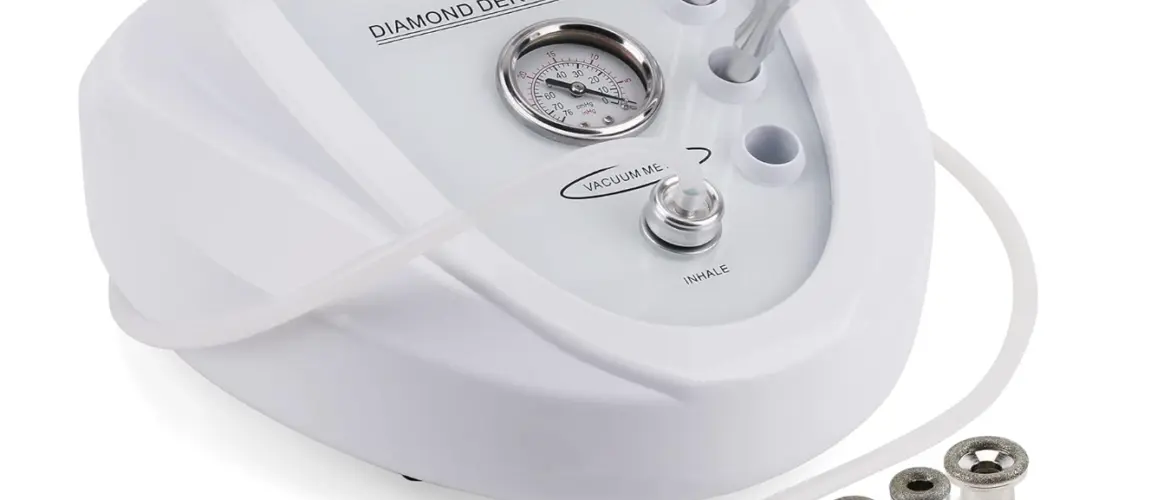
Microdermabrasion is a non-invasive exfoliation treatment that mechanically “sandblasts” away the outermost layer of dead skin cells using fine crystals or a diamond-tipped wand, while simultaneous suction removes debris. It reveals smoother, brighter skin and stimulates collagen turnover without chemicals or downtime.
2. Types of Microdermabrasion Systems
- Crystal Microdermabrasion
- How it works: A stream of aluminum oxide or sodium bicarbonate crystals abrades the skin, then vacuum suctions away both crystals and dead cells.
- Use case: Adjustable crystal flow and suction make it versatile for most skin types.
- Diamond-Tip Microdermabrasion
- How it works: A diamond-coated applicator glides over the skin surface, abrading dead cells; vacuum immediately clears debris.
- Use case: No loose crystals, more precise control around sensitive areas (eyes, nose).
- At-Home Handheld Devices
- Lower-power crystal or diamond heads for light maintenance.
- Ideal for clients between professional sessions.
3. Key Benefits
- Smoother Texture & Even Tone
Reduces roughness, fine lines, and light acne scarring. - Pore Refinement
Clears congestion and shrinks the appearance of enlarged pores. - Brighter Complexion
Sloughs off dull, dead cells to reveal fresh, radiant skin. - Stimulated Collagen & Elastin
Micro-trauma encourages new collagen production over multiple sessions. - Enhanced Product Penetration
Skincare serums absorb more deeply post-treatment. - Minimal Downtime
Clients can return to normal activities immediately, with only mild redness.
4. Possible Side Effects
- Temporary Redness & Pinkness
Usually resolves within 1–2 hours. - Mild Dryness or Flaking
As new cells turnover. - Sensitivity to Sun
Treated skin is more UV-sensitive—SPF is crucial. - Rare: Mild Bruising or Pinpoint Bleeding
If suction or abrasion is too aggressive.
5. Contraindications
Do not perform microdermabrasion on clients with:
- Active cold sores, warts, or open wounds
- Rosacea flare-ups, eczema, or psoriasis lesions
- Severe acne with cysts or nodules
- Use of isotretinoin within past 6 months
- Thin or highly sun-damaged skin
- Bleeding disorders or anticoagulant medications
- Recent facial surgery or ablative resurfacing (< 3 months)
6. Before & After Treatment Care
| Phase | Guidelines |
|---|---|
| Pre-Treatment | • Avoid retinoids/acids for 3 days • No waxing/laser for 1 week prior |
| Immediately Post | • Apply a soothing serum (aloe or peptide-based) • Use SPF 30+ if heading outdoors |
| 24–48 Hours Later | • Hydrate with gentle creams • Avoid hot showers, saunas, or strenuous exercise |
| Home Care Tips | • Cleanse with a mild, non-foaming cleanser • No physical or chemical exfoliation for 5 days |
7. Products to Use With Microdermabrasion
- Gentle Enzymatic Cleanser (pre-treatment)
- Hydrating Serums (hyaluronic acid, peptides)
- Calming Masks (aloe vera, colloidal oatmeal)
- Repair Creams (ceramides, barrier-support)
- Broad-Spectrum SPF (mineral-based)
8. Step-by-Step Protocols
A. Crystal Microdermabrasion
- Cleanse & Dry the skin.
- Load Crystal Chamber per instructions.
- Adjust Settings: Start with low crystal flow and suction (20–30%).
- Treatment Passes: Glide handpiece in overlapping “S” patterns across forehead, cheeks, nose, and chin—2–3 passes per zone.
- Wipe & Refresh: Empty crystal catcher and clean tip between areas.
- Finish: Rinse skin, apply soothing serum, then SPF.
B. Diamond-Tip Microdermabrasion
- Cleanse & Dry.
- Select Tip Coarseness: Use finer grit for delicate areas.
- Set Suction: Low to medium (30–50%).
- Glide Tip: Move in straight lines or small circles—2 passes per zone.
- Clean Tip: Wipe after each area.
- Post-Care: Apply calming mask, then SPF.
C. At-Home Maintenance
- Clean & Dry.
- Use Handheld Device on the lowest setting.
- One Pass Only per area, once weekly.
- Moisturize & Protect immediately after.
9. FAQs for Microdermabrasion
“How often can I get microdermabrasion?”
Every 3–4 weeks is ideal to match your skin’s renewal cycle and maintain smooth results.
“Is it safe for sensitive skin?”
Yes—with diamond-tip systems and lower suction settings, sensitive skin tolerates microdermabrasion well; always start gentle and monitor response.
“What’s the average cost per session?”
Professional sessions range from $100 to $200 depending on your market and device; package discounts for 4–6 treatments are common.
“Does it help with milia?”
Microdermabrasion can loosen surface milia, but stubborn cysts often require manual extraction or vacuum-assisted removal for complete clearance.