
News & Events
High-Frequency Treatment Add-On
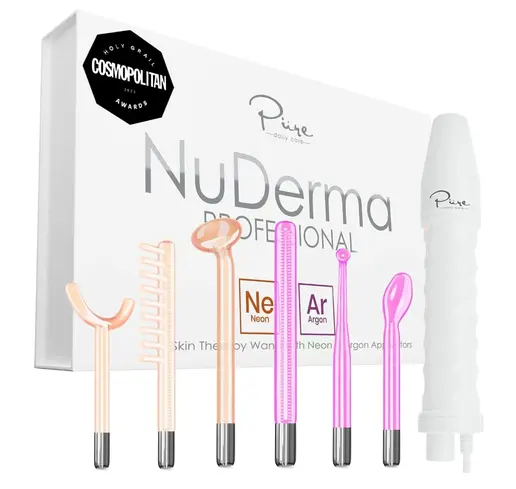
1. What Is a High-Frequency Machine?
A High-Frequency (HF) machine uses a glass electrode filled with inert gas (usually argon or neon) to deliver a mild electrical current to the skin. This creates a gentle glow and oscillating heat that increases cellular metabolism, improves circulation, and has antibacterial effects—without damaging surface tissues.
2. Types of High-Frequency Devices
- Argon-Filled Electrodes (Purple Light)
- Best for: Acne-prone, oily skin (strong bactericidal effect).
- Neon-Filled Electrodes (Orange Light)
- Best for: Aging, dehydrated, mature skin (gentler warming, stimulates collagen).
- Electrode Shapes:
- Mushroom (flat): Large surface for cheeks, forehead.
- Bent or Spoon: Under-eye, around nose.
- Comb: Scalp treatments.
- Point: Spot-treat individual blemishes.
- Direct vs. Indirect Application:
- Direct: Electrode glides over skin.
- Indirect: Client holds a secondary electrode; esthetician works with the handheld—ideal for deeper muscle stimulation.
3. Key Benefits of High-Frequency Therapy
- Antibacterial Action: Ozone generated in the gas kills acne-causing bacteria.
- Increased Circulation: Boosts blood flow for a healthy, rosy glow.
- Enhanced Lymphatic Drainage: Helps reduce puffiness and detoxify.
- Improved Product Penetration: Preps skin to absorb serums more effectively.
- Collagen & Elastin Stimulation: Gentle heat encourages skin tightening over multiple sessions.
- Soothing & Calming: Neon HF is excellent for reducing redness and inflammation.
4. Possible Side Effects
- Mild Pinkness: Transient redness that fades within 15–30 minutes.
- Dryness or Tightness: Slight dehydration; follow with moisturizer.
- Warm Sensation: A pleasant tingling or warming during treatment.
- Rare Tingling or Mild Discomfort: If intensity is too high—always adjust to client comfort.
5. Contraindications
Do not use high-frequency if the client has:
- Pacemakers or Electrical Implants
- Epilepsy or Seizure Disorders
- Pregnancy (especially first trimester)
- Open Wounds, Severe Sunburn, or Active Skin Infections
- Metal Implants in Treatment Area
- Photosensitive Medications (e.g., some antibiotics)
- Uncontrolled Hypertension or Cardiovascular Conditions
6. Before & After Treatment Care
| Phase | Guidelines |
|---|---|
| Pre-Treatment | • Cleanse and tone • No retinoids/acids for 48 hrs prior |
| Immediately Post | • Apply soothing serum (aloe, peptides) • Avoid hot showers for 2 hrs |
| 24–48 Hours Later | • Use hydrating, barrier-repair products • Apply SPF daily |
| Home Care Tips | • Gentle cleansing • No aggressive exfoliation for 3 days |
7. Products to Use With High-Frequency
- Pre-Treatment Toner (balancing, alcohol-free)
- Conductive Gel or Serum (ensures smooth glide)
- Antibacterial Serums (salicylic acid or tea tree, applied post-HF)
- Hydrating Ampoules (hyaluronic acid, niacinamide)
- Calming Mask (aloe or colloidal oatmeal)
- Barrier Repair Moisturizer & SPF
8. Step-by-Step Protocols
A. Direct High-Frequency (Face)
- Cleanse & Tone.
- Select Electrode & Gas Type (argon for acne, neon for soothing).
- Set Intensity low at first (you’ll feel a gentle vibration).
- Glide Electrode in slow, circular or zig-zag motions—2–3 passes per zone.
- Finish with Serum & SPF.
B. Indirect High-Frequency (Muscle Stimulation)
- Client Holds Negative Electrode (metal roller or mushroom).
- Esthetician Works with Positive Electrode—perform gentle effleurage over entire face.
- Duration: 5–10 minutes; encourages deeper tissue warming.
C. Scalp Treatment (Comb Electrode)
- Apply Scalp Serum (growth-factor or DHT-blocker).
- Use Comb Electrode with neon gas at low intensity.
- Move Along Hairlines & Crown for 2–3 minutes to boost circulation.
9. FAQs for High-Frequency Therapy
“How often can I get high-frequency therapy?”
Weekly sessions are ideal for acne-control or lymphatic work; bi-weekly for maintenance and anti-aging. A series of 6–8 treatments usually yields optimal results.
“Is it safe for sensitive skin?”
Yes—neon-filled electrodes and low intensity settings make high-frequency very tolerable for sensitive or reactive skin, with virtually no lasting irritation.
“What’s the average cost per session?”
Typically $75–$150 per facial session, depending on your market and whether it’s added as an upgrade to another treatment.
“Does it help with milia?”
High-frequency can soften and loosen milia by increasing cellular turnover and warming the follicle, making manual extraction easier—but it doesn’t extract them on its own.