
News & Events
Gel Mask
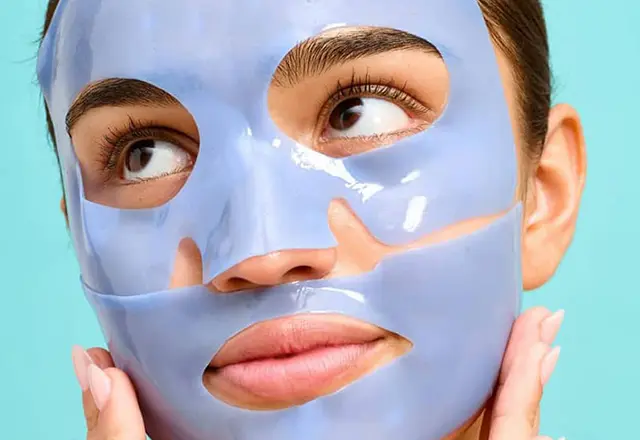
1. What Is a Gel Mask?
A gel mask is a water-based, lightweight topical treatment formulated with humectants (like hyaluronic acid), soothing botanicals, and gelling agents. When applied, it forms a cooling, occlusive layer that delivers intense hydration, calming nutrients, and sometimes active ingredients (vitamins, peptides) deep into the skin without heaviness.
2. Types of Gel Masks
- Hydrating Gel Masks
- Contain hyaluronic acid, glycerin, aloe vera—ideal for all skin types, especially dry or sensitive.
- Cooling/Calming Gel Masks
- Formulated with cucumber, chamomile, or allantoin to reduce redness and soothe irritation.
- Thermal (Self-Heating) Gel Masks
- Activate on contact to gently warm, boosting circulation and detoxifying.
- Modeling (Peel-Off) Gel Masks
- Two-part powder + gel that sets into a rubbery sheet you peel off for a tightening effect.
- Exfoliating Gel Masks
- Low-level AHA/BHA gels that slough off dead cells as they set.
- Firming or “Film-Forming” Gel Masks
- With peptides or alginate to create a temporary tightening film over skin.
3. Key Benefits
- Intense Hydration & Plumping
Humectants draw moisture into the epidermis, smoothing fine lines. - Cooling & Calming
Gel texture soothes heat, redness, and post-treatment irritation. - Enhanced Ingredient Delivery
Occlusive gel barrier increases penetration of actives like vitamins C & E. - Non-Comedogenic Nourishment
Lightweight, water-based formulas won’t clog pores. - Flexible Wear Times
Can be left on for 5–30 minutes depending on goal (quick boost vs. deeper treatment).
4. Possible Side Effects
- Mild Tingling
From exfoliating acids in AHA/BHA gels—brief and tolerable. - Temporary Redness
Especially with thermal or tightening formulations; subsides on removal. - Allergic Reaction
If botanical extracts or fragrances trigger sensitivity. - Film Residue
Peel-off masks can leave slight sticky residue—ensure thorough removal.
5. Contraindications
Do not use gel masks if the client has:
- Open Wounds or Active Breakouts
- Known Allergy to any mask components (e.g., botanicals, alginate)
- Very Oily, Acne-Prone Skin (unless mask is specifically acne-clarifying)
- Recent Laser or Ablative Treatments (skin too fragile for cooling film)
6. Before & After Treatment Care
| Phase | Guidelines |
|---|---|
| Pre-Mask Prep | • Cleanse with gentle, pH-balanced cleanser • Lightly tone or mist for even application |
| Immediately Post-Mask | • Rinse thoroughly (unless model application) • Pat dry and apply calming serum |
| 1–2 Hours Later | • Apply moisturizer if skin feels tight • Avoid strong actives for 24 hrs |
| Home Maintenance | • Use gel masks 1–3× per week depending on skin need • Always follow with SPF if daytime |
7. Products to Use With Gel Masks
- Pre-Mask Hydrating Mist (rosewater, thermal spring water)
- Soothing Serum (niacinamide, panthenol)
- Antioxidant Booster (vitamin C gel) layered under mask
- Post-Mask Moisturizer (light gel-cream)
- Barrier Repair Cream (ceramides) for dry or reactive skin
8. Step-by-Step Protocol
- Cleanse
- Remove makeup/oils with a gentle, non-foaming cleanser.
- Prep
- Mist or apply a thin toner to balance pH and help gel adhere.
- Apply Gel Mask
- Use a brush or fingertips to spread a uniform 1–2 mm layer, avoiding eyes and lips.
- Set Time
- Hydrating/Calming: 10–15 min
- Exfoliating (AHA/BHA): 5–10 min
- Thermal/Firming: 15–20 min
- Modeling Peel-Off: Follow manufacturer timing (often 15–20 min)
- Remove
- Rinse-Off Gels: Wash with lukewarm water and gentle circular motion.
- Peel-Off Modeling: Gently lift edges and peel away in one piece.
- Soothe & Seal
- Pat on calming serum, then follow with a lightweight moisturizer and SPF if daytime.
9. FAQs for Gel Masks
“How often should I use a gel mask?”
– Dry/Sensitive: 2–3× per week with hydrating/calming formulas
– Normal/Combination: 2× per week
– Exfoliating Gels: 1× per week only, to avoid barrier compromise
“Is a gel mask safe for acne-prone skin?”
Yes—look for oil-control or salicylic acid gel masks; avoid heavy emollients that can clog pores.
“What’s the average cost per professional gel mask treatment?”
In-spa gel mask add-ons range from $25 to $60, depending on booster serums or peel-off formulas.
“Can gel masks help with redness and rosacea?”
Absolutely—a soothing gel mask with aloe, chamomile, and niacinamide can calm vascular redness and strengthen the barrier over repeated use.