
News & Events
Charcoal Mask
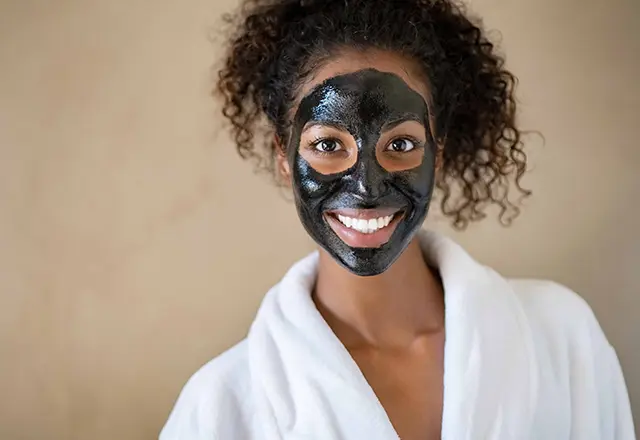
1. What Is a Charcoal Mask?
A charcoal mask is a topical treatment formulated with activated charcoal (often combined with clays or botanical extracts) that binds to impurities, excess oil, and toxins on the skin’s surface. As the mask dries, it lifts away debris and helps clarify pores, leaving skin looking cleaner and more balanced.
2. Types of Charcoal Masks
- Clay-Charcoal Masks
- Blends of bentonite or kaolin clay + charcoal for deep detox and oil control.
- Peel-Off Charcoal Masks
- Gel or rubber formulas that set into a film you gently peel away to extract debris.
- Cream or Gel Charcoal Masks
- Hydrating bases with charcoal for a less drying, rinse-off option.
- Sheet Charcoal Masks
- Pre-soaked fiber sheets infused with charcoal serum for a mess-free application.
- Charcoal + Enzyme or Acid Blends
- Combine charcoal’s adsorption with gentle AHAs/BHAs or fruit enzymes for dual exfoliation.
3. Key Benefits
- Deep Detoxification
Charcoal adsorbs impurities and pollutants, helping to clear environmental buildup. - Oil & Shine Control
Absorbs excess sebum, making it ideal for oily or combination skin. - Pore Refinement
Lifts blackheads and debris, reducing the appearance of enlarged pores. - Improved Clarity & Tone
Helps fade dullness for a brighter, more even complexion. - Complementary Exfoliation
When blended with acids or enzymes, offers mild resurfacing in one step.
4. Possible Side Effects
- Dryness or Over-Stripping
Can remove too much natural oil—follow with hydration. - Tightness
Dried mask may feel pulling; remove promptly to avoid irritation. - Redness or Flushing
Especially on sensitive or reactive skin; use shorter wear times. - Rare Breakouts
Purging effect as deep debris surfaces; typically short-lived. - Allergic Reaction
From additives (fragrances, botanicals)—patch test if unsure.
5. Contraindications
Do not use a charcoal mask if your client has:
- Severely Dry or Compromised Barrier (eczema, dermatitis)
- Open Wounds, Cuts, or Fresh Acne Cysts
- Rosacea Flare-Ups or Very Reactive Skin
- Recent Chemical Peels or Laser Treatments (< 2 weeks)
- Known Allergy to charcoal or mask ingredients
6. Before & After Treatment Care
| Phase | Guidelines |
|---|---|
| Pre-Treatment | • Cleanse with a gentle, pH-balanced cleanser • Tone lightly to prep skin |
| Immediately Post | • Rinse thoroughly with lukewarm water • Pat dry, then apply a calming hydrating serum |
| 24–48 Hours Later | • Use a barrier-repair moisturizer (ceramides, peptides) • Avoid other deep cleansers/exfoliants |
| Home Maintenance | • Follow with SPF if daytime • Limit charcoal masks to 1–2× per week to prevent dryness |
7. Products to Use With Charcoal Masks
- Gentle Enzymatic or Gel Cleanser (pre-mask)
- Balancing Toner (hydrates and restores pH)
- Calming Serum (aloe, niacinamide) post-mask
- Barrier Repair Cream (ceramides, squalane)
- Broad-Spectrum SPF (if used during the day)
8. Step-by-Step Protocol
- Cleanse
Remove makeup and surface oils with a mild cleanser. - Prep
Pat skin dry; tone to ensure even mask adhesion. - Mix & Apply
• Powder Masks: Combine charcoal powder and liquid to a smooth paste.
• Ready-Made: Use a brush or fingertips to spread evenly (2 mm layer). - Set Time
Leave on 10–15 minutes, or until just dry—avoid full crackling if very dry skin. - Remove
• Rinse-Off: Gently wash away with lukewarm water.
• Peel-Off: Lift edges and peel slowly, keeping motion parallel to skin. - Soothe & Seal
Pat on calming serum, apply barrier cream, then SPF if daytime.
9. FAQs for Charcoal Masks
“How often should I use a charcoal mask?”
– Oily/Combination Skin: 1–2× per week
– Normal Skin: 1× per week
– Dry/Sensitive Skin: Every 10–14 days with hydrating formula
“Is a charcoal mask safe for sensitive skin?”
Yes—choose a cream or gel base and limit wear time to 5–8 minutes; always patch-test.
“Can charcoal masks remove blackheads?”
They help loosen and lift surface debris, making extractions or natural shedding easier—but stubborn comedones may need manual removal.
“What’s the average cost per professional charcoal mask treatment?”
Salon add-ons typically range from $30 to $70, depending on mask complexity and booster ingredient