Have a question?
Message sent Close

Infection Control in Beauty Industry

👉 After completing this lesson, students will be able to:

1️⃣ Define Infection and Pathogens

  • Identify 5 types of pathogens: bacteria, viruses, fungi, parasites, and biofilm
  • Differentiate between harmful and beneficial bacteria

2️⃣ Explain Types of Infection

  • Distinguish between local and systemic infections
  • Recognize signs and symptoms of infection

3️⃣ Understand the Chain of Infection

  • Describe the 6 steps of infection spread
  • Explain how to break the chain of infection

4️⃣ Identify Modes of Transmission

  • Explain:
    • Direct contact
    • Indirect contact
    • Bloodborne
    • Airborne
    • Vector (insect) transmission

5️⃣ Apply Decontamination Procedures

  • Explain the role of cleaning (required step)
  • Differentiate:
    • Sanitation
    • Disinfection
    • Sterilization

6️⃣ Demonstrate Proper Hygiene Practices

  • Perform correct handwashing
  • Maintain clean workstations
  • Prevent cross-contamination

7️⃣ Understand Government Regulations

  • Identify the role of:
    • OSHA
    • EPA
    • State Board
  • Explain the purpose of SDS

8️⃣ Apply Infection Control in Salon Settings

  • Reception area
  • Service area
  • Waiting area
  • Daily operations

9️⃣ Demonstrate Professional Responsibility

  • Maintain safety standards
  • Protect client health
  • Follow legal requirements

1️⃣ Define Infection and Pathogens

1. Bacteria

  • Single-cell organisms
  • Can cause infections like:
    • Acne
    • Staph infection

1. Nonpathogenic Bacteria (Good Bacteria)

2. Pathogenic Bacteria (Harmful Bacteria)

  • Harmless or beneficial
  • Help protect the body

👉 Examples:

  • Skin microbiome
  • Helps prevent infection

 tip:
👉 “Good bacteria = body’s natural defense”

  • Cause disease
  • Can spread infection

👉 Examples:

  • Staphylococcus
  • Streptococcus

2. Viruses

  • Smaller than bacteria
  • Require a host to live

👉 Examples:

  • Common cold
  • Hepatitis
  • HIV

Examples of Bacterial and Viral Diseases in Salon and Skincare Practice

🦠 BỆNH DO VI KHUẨN (BACTERIA)

👉 Đặc điểm:

  • Có thể sống độc lập
  • Có thể điều trị bằng kháng sinh

📌 Ví dụ bệnh:

  • Acne (mụn viêm)
  • Staph infection (tụ cầu)
  • Strep throat (viêm họng do vi khuẩn)
  • Impetigo (chốc lở)
  • Tuberculosis (lao)

🦠 BỆNH DO VIRUS

👉 Đặc điểm:

  • Cần “host” để sống
  • ❌ Không dùng kháng sinh

📌 Ví dụ bệnh:

    • Common cold (cảm lạnh)
    • Flu (cúm)
    • COVID-19
    • Herpes simplex (mụn rộp môi)
    • Hepatitis (viêm gan)
    • HIV/AIDS

3. Fungi

  • Live on skin surfaces

👉 Examples:

  • Ringworm
  • Nail fungus

4. Parasites

  • Live on or inside the body

👉 Example:

  • Lice

5. Biofilm

  • A colony of bacteria that sticks to surfaces
  • Forms a protective layer (slimy)
  • Hard to remove

👉 Common in:

  • Foot spa tubs
  • Pipes
  • Wet environments

💥 Golden teaching line:
👉 “Biofilm is NOT just bacteria — it is bacteria protected by a shield”

2️⃣ Explain Types of Infection

1. Local Infection

  • Limited to one area
  • Signs:
    • Redness
    • Swelling
    • Pain

2. Systemic Infection

  • Spreads through the body
  • More dangerous

3. Contagious Infection

  • Có thể lây lan từ người sang người.

 Bây giờ chúng ta đã biết nguyên nhân gây nhiễm trùng, hãy cùng tìm hiểu cách thức lây lan của nó.

3️⃣ Understand the Chain of Infection

The Chain of Infection explains how disease spreads.

👉 6 steps:

  1. Pathogen (germs)
  2. Reservoir (where it lives)
  3. Exit (how it leaves)
  4. Transmission (how it spreads)
  5. Entry (how it enters new body)
  6. Host (new person)

💥 Golden teaching line:
👉 “Break 1 step = stop infection”

4️⃣ Identify Modes of Transmission

1. Direct Contact

  • Skin-to-skin contact

👉 Example:

  • Touching infected skin

2. Indirect Contact

  • Through tools or surfaces

👉 Example:

  • Dirty nail tools
  • Towels

3. Bloodborne Transmission

  • Through blood or body fluids

👉 Example:

  • Cuts
  • Improper tool use

4. Airborne Transmission

  • Through air droplets

👉 Example:

  • Sneezing
  • Coughing

5. Vector/Insect Transmission

  • Spread by insects or parasites

👉 Examples:

  • Lice (rất liên quan salon)
  • Mosquitoes
  • Flies

Why Infection Control Matters

    • Hands
    • Tools
    • Surfaces
    • Shared items

      In the beauty industry, we work directly on the skin, tools, and surfaces. This creates a high risk of spreading bacteria, viruses, and fungi.

      👉 Infection can spread through: Before learning how to stop infection, we must understand how it spreads.

How Infection Spreads (Cross-Contamination)

Cross-contamination happens when bacteria move from one surface or person to another.

👉 Common causes:

  • Not washing hands
  • Reusing dirty tools
  • Touching multiple surfaces
  • Improper cleaning

💡 Key concept:
👉 Break the chain of infection = Stop the spread

5️⃣ Apply Decontamination Procedures

Step 1: CLEANING (REQUIRED STEP)

  • Remove dirt, oil, and debris
  • Use soap and water

💥 Golden rule:
👉 No cleaning = no disinfection works

Step 2: 3 LEVELS OF DECONTAMINATION

1. SANITATION (Low Level)

  • Reduces bacteria
  • Used for hands and light surfaces

2. DISINFECTION (Medium Level)

  • Kills most bacteria, viruses, fungi
  • Used for tools (non-porous)

👉 SDS reference:
👉 OSHA Safety Data Sheet (SDS)

3. Tiệt Trùng (Mức độ cao )

  • Destroys all microorganisms
  • Used in medical settings

Now that you understand the process, let’s apply it in real salon areas.

6️⃣ Demonstrate Proper Hygiene Practices

Hand and Surface Hygiene

👉 Important practices:

  • Wash hands frequently
  • Clean high-touch surfaces

👉 Theo tài liệu:
Surface phải được làm sạch thường xuyên

7️⃣ Understand Government Regulations

1. OSHA (Occupational Safety and Health Administration)

👉 OSHA Official Website

  • Protects workers
  • Requires:
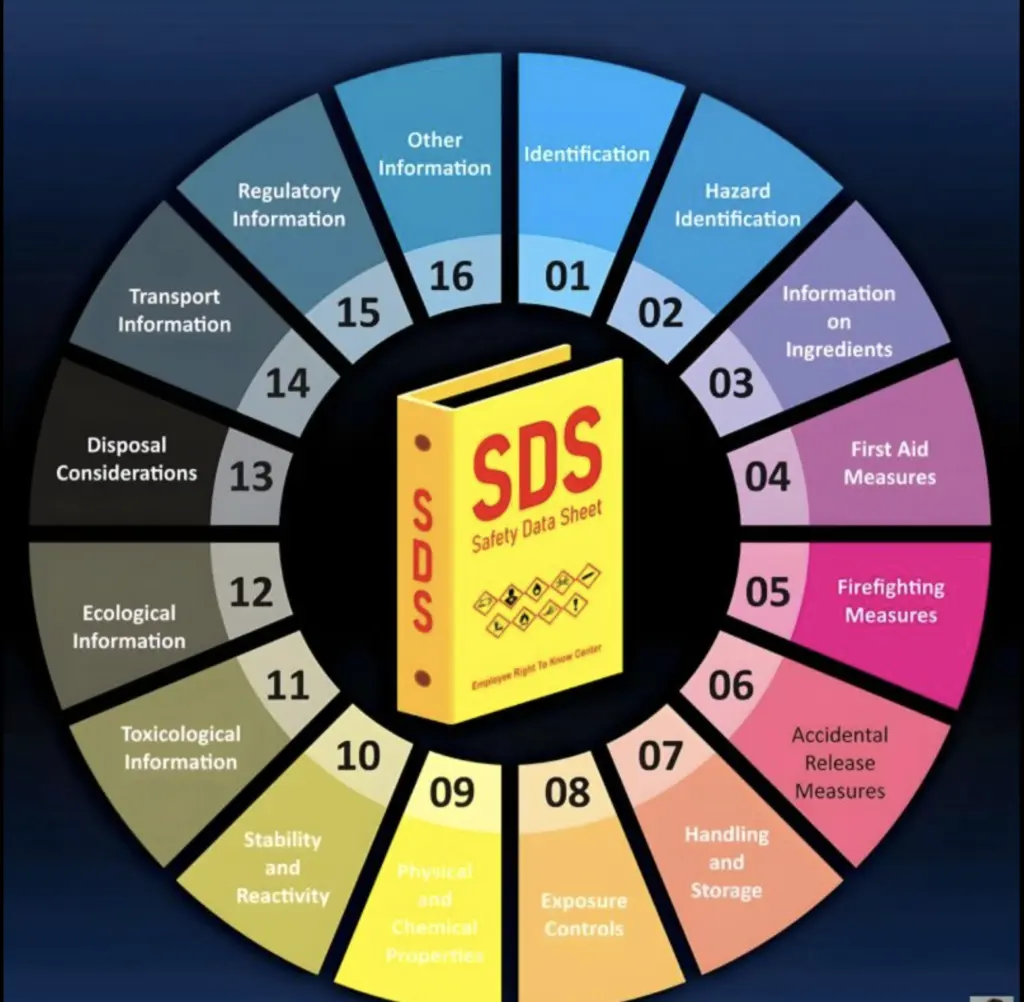
    • SDS (Safety Data Sheet)
    • Safe chemical handling

SDS (Bảng dữ liệu an toàn) là gì?

SDS (Bảng dữ liệu an toàn) là một tài liệu cung cấp thông tin chi tiết về các hóa chất được sử dụng trong nơi làm việc.

👉 Trong ngành công nghiệp làm đẹp, SDS hỗ trợ các chuyên gia:

  • Hiểu rõ các rủi ro hóa chất
  • Sử dụng sản phẩm một cách an toàn
  • Bảo vệ bản thân và khách hàng

👉 Tài liệu chính thức của OSHA:
👉 Hướng dẫn SDS của OSHA

TẠI SAO SDS LẠI QUAN TRỌNG?

👉 You MUST have SDS for:

  • Disinfectants
  • Chemicals
  • Cleaning products

💥 Golden rule 
👉 “If there is no SDS → you should NOT use the product”

2. EPA (Environmental Protection Agency)

👉 Includes:

  • Cleaning
  • Laundry
  • Waste disposal
  • Product storage

👉 Quan trọng:
Phân biệt clean vs dirty area

👉 EPA Disinfectant Information

  • Approves disinfectants
  • Ensures products are effective

👉 “If not EPA approved → you cannot use it for disinfection”

3. FDA LÀ GÌ ?

👉 FDA:

  • Kiểm soát:
    • Mỹ phẩm (dưỡng da, trang điểm)
    • Đồ ăn
    • Thuốc

👉 Trong chuyên ngành của bạn:

  • Điều chỉnh:
    • Thành phần
    • An toàn sản phẩm

👉 “FDA = kiểm soát sản phẩm bạn đưa vào cơ thể”

4. State Board of Cosmetology

  • Sets rules for salons and schools
  • Inspects sanitation
  • Issues licenses

8️⃣ Apply Infection Control in Salon Settings

Infection Control at the Reception Desk

👉 Theo tài liệu của bạn:
Quầy lễ tân vẫn là khu vực có nguy cơ lây nhiễm cao

👉 Nguồn rủi ro:

  • Tiền mặt và thẻ
  • Bút
  • Tay nắm cửa
  • Liên hệ khách hàng

Vậy làm thế nào để giảm thiểu rủi ro này?

Client Safety and Professional Handling

Infection Control in Daily Operations

👉 You must:

  • Observe skin condition
  • Avoid infected areas
  • Refuse unsafe services

👉 Theo tài liệu:
Phải xử lý tình huống chuyên nghiệp

Managing Shared Items and Waiting Areas

👉 Shared items include:

  • Magazines
  • Drinks
  • Business cards

👉 Theo tài liệu:
Cần kiểm soát nghiêm ngặt

9️⃣ Demonstrate Professional Responsibility

  • Maintain safety standards
  • Protect client health
  • Follow legal requirements

👉 Theo tài liệu:
Attitude và responsibility quyết định hiệu quả

👉 Clean environment = Trust + Reputation

Similars