
News & Events
Expert Skincare Tips at Home: A Science-Backed 2026 Guide
The best skincare tips at home boil down to five science-backed habits. First, you hydrate from within. Plus, you put a shot-glass of SPF on cool skin each day. Also, you use mild AHAs to slough, not BHAs full-face. Next, you layer items by weight, lightest first. Finally, you toss any cosmetic past its date. Indeed, daily habit beats a $200 serum every time.
Ready to turn this passion into a career? Call (919) 615-3031 or email 5tbeauty.academy.nc@gmail.com to tour the 600-hour Esthetician License program at 5T Beauty Academy, Raleigh, NC.
Did you know SPF on warm, sweaty skin can spark rashes? Indeed, many people fail to build a daily plan that works. So real skincare tips at home can feel hard to find. Plus, folks waste cash on stale items. Also, they hit the face with harsh acids built for spot use. As a result, the barrier breaks and breakouts spike. This guide breaks down the right items, the pro layering steps, and the daily habits that move the needle.
Per the American Academy of Dermatology (AAD), the base of clear skin is daily steady use. Notably, a mild wash, SPF, and cream done daily beat random use of pricey actives. Plus, with the right plan, you can build clear, strong skin from your own bathroom.
Table of contents
- Lifestyle and anatomy: the real base for skincare tips at home
- Master sun protection: the shot-glass rule
- AHAs vs BHAs: anti-aging chemistry made simple
- Tailor skincare tips at home for oily and dry skin
- Product hygiene and makeup expiry dates
- Take your skincare tips at home to a pro career
- Frequently asked questions
1. Lifestyle and anatomy: the real base for skincare tips at home
The best skincare tips at home start with lifestyle. Plus, water, food, and sleep move the needle more than any single serum. Indeed, no cream can fix a diet high in sugar, late nights, or daily sun damage.
Lifestyle: the core of skincare tips at home
The best anti-aging plan is a clean way of life. Indeed, no cream can stop the body clock. Plus, junk food, drinks, and smoke speed cell aging. Also, no workout and burnt skin add wrinkles fast. Notably, clear skin starts from inside the body. So drink eight to ten cups of water each day. Thus, this one habit clears toxins and lifts every skin type.

Tune your water intake based on what you drink. Plus, add one cup of water for each cup of coffee. Also, beer or wine calls for the same swap. Thus, this rule fights cell dryness all day. As a result, kept moisture is your first shield against age lines.
Key vitamins for skincare tips at home
Food drives your body’s cell rebuild work. Indeed, fresh cells push out dead ones each week. Plus, the “ACE” trio leads the way. Notably, Vitamin A boosts cell turnover. Also, Vitamin C lifts glow and shine. Then Vitamin E shields the barrier from harm. So you find Vitamin A in carrots, spinach, and yams. Plus, berries and citrus pack lots of Vitamin C.
Add whole grains, nuts, dairy, fish, and beans to your plate. Notably, these foods bring zinc to the table. Plus, zinc speeds healing and cuts swelling. Also, a rich diet is your best anti-aging move. Thus, your topical items work much harder on strong tissue.
Skin anatomy basics for skincare tips at home
To master skincare tips at home, you must know your skin map. Notably, human skin has three layers. First, the Epidermis is the top layer that shows health cues. Next, the Dermis is the middle and holds collagen and elastin. Plus, these proteins give strength and snap. Finally, the Hypodermis is deep and holds fat, blood, and nerves. As we age, collagen drops and lines show up.
The top Epidermis is many tiny layers deep. Plus, basal cells form at the base each week. Then they rise through a hard layer to the top. Finally, dead cells fall off in the day. Indeed, it takes about a month for one cell to reach the top. As a result, daily care is the key to real change.
2. Master sun protection: the shot-glass rule
The top item on any skincare tips at home list is sunscreen. Plus, the AAD says use about a shot-glass (two tablespoons) to coat the body. For face and neck alone, a nickel-size dollop is the floor.
The shot-glass rule for skincare tips at home
How much SPF should you use? Indeed, derms ask for the same volume as a shot glass. Plus, that means two full tablespoons of liquid for the body. Notably, many people use just a pea-size drop on the face. As a result, they leave the body open to UV harm. Thus, the right amount blocks early lines and cell harm.

Knowing the exact dose splits pros from amateurs. Plus, you can’t guess SPF use and stay safe. Indeed, a thin layer slashes a high-SPF score in half. So review the AAD sunscreen FAQ for the full rules. As a result, the bottle gives the shield it claims.
Apply skincare tips at home the right way
Expert tips guide how to apply daily SPF. First, put SPF on cool, fully dry skin. Plus, hot skin has open pores that flare up. Also, the chemical filters can sting open pores. Indeed, painful red rash and breakouts can pop up. So wait a few minutes after a hot shower. Thus, cool skin lets the SPF bind to the surface.
SPF on sweaty skin slides off fast. Plus, the layer can’t stick before it soaks in. As a result, your barrier sits open in harsh sun. So pat your face dry with a clean towel. Notably, this small step makes SPF much more potent.
Pro layering rules for skincare tips at home
Layering items right is as key as the items. So put cream and color makeup over SPF. Plus, two SPF passes block any missed spot. Also, wear SPF 15+ in winter. Then bump to SPF 30 in hot summer. Finally, top it up through the day.
Top-ups depend on sweat rate and sun time. Plus, swim or hard sport calls for fast top-ups. Notably, a travel SPF in your bag is a smart move. As a result, steady, layered SPF is your top shield against age lines.
3. AHAs vs BHAs: anti-aging chemistry made simple
The most mixed-up part of skincare tips at home is acid use. Plus, AHAs (glycolic, lactic) work on the top to brighten. Also, BHAs (salicylic) cut into oil to clear pores but are too harsh full-face. So picking the wrong acid is how most home plans break the barrier.
The power of AHAs in skincare tips at home
Alpha Hydroxy Acids (AHAs) are real acids found in fruit and milk. Notably, glycolic acid is the most-used AHA in beauty. Plus, pros use them on top to fade fine lines. Indeed, AHAs speed the body’s slough cycle. As a result, they help the body shed dead cells fast.
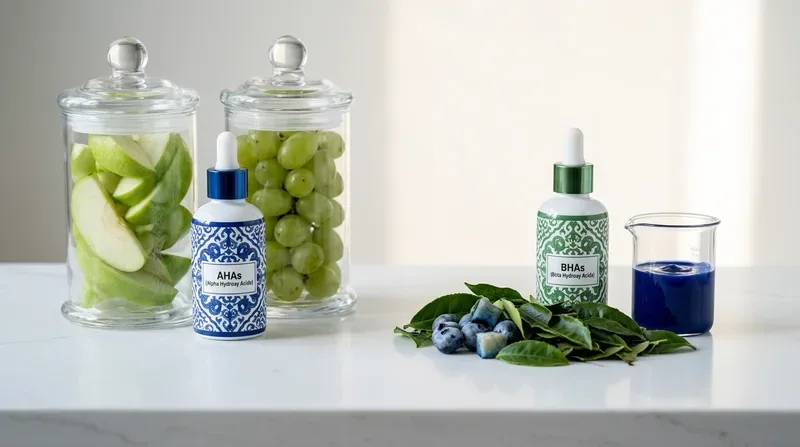
These mild acids smooth face texture fast. Plus, they unblock pores and cut new breakouts. Also, AHAs are key in any 2026 anti-aging plan. Notably, use them at night, not in the day. Thus, this timing blocks sun harm at peak hours.
BHA warnings for skincare tips at home
Use real care with some at-home acids. Pro warning: do not use Salicylic acid full-face. Plus, salicylic is a Beta Hydroxy Acid (BHA). Notably, this acid is too harsh for the whole face. So save it for tough spots. Indeed, BHA misuse can break your moisture barrier fast.
Barrier harm leads to dry, red, and sore skin. Plus, many newbies scrub the face with BHA each day. As a result, the skin pumps out more oil to fight back. So lean on mild AHAs for daily slough work. Notably, this clear split saves months of barrier rebuild.
Antioxidants in your skincare tips at home
Past acids, you must fight free radicals daily. Notably, free radicals are loose molecules with one stray electron. Plus, they spark oxide harm to cell parts. So you fight them with proven antioxidants. Also, read the labels on creams and serums. Indeed, look for Vitamins A, C, and E.
Beta-carotene, green tea, and grape seed are strong picks. How do these antioxidants work? Plus, they share their own electrons with the loose ones. Also, they end the threat before lasting harm hits. Notably, Vitamin C is the brightest fighter. Thus, these items team up to shield your barrier.
4. Tailor skincare tips at home for oily and dry skin
Skincare tips at home work only when they fit your real skin type. Plus, oily skin needs two daily washes and a light, oil-free cream. Also, dry skin needs smart layers — oil first, then cream — to lock in dew. Indeed, skipping cream on oily skin backfires since dryness kicks up sebum.
Managing oily skin at home
Oily skin needs a clear, daily plan. Notably, this type shows shine in the T-zone and big pores. Plus, this stems from busy oil glands. So wash the face two times a day with no skips. Also, this habit blocks dirt build-up and keeps pores clear. Indeed, an alcohol-free toner clears top oil well.
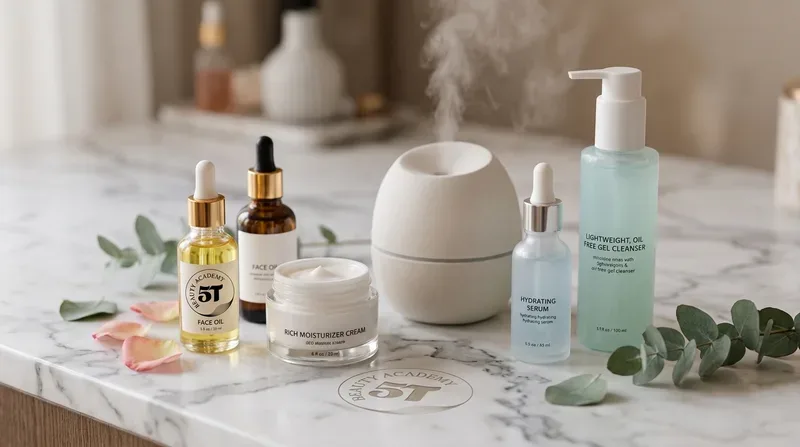
Always use light, oil-free creams to stop dry-out. Plus, many oily-skin folks skip cream for that reason. As a result, dry skin pumps out more oil to fight back. Notably, light dew helps tame natural oil flow. Thus, this fair plan blocks tough breakout cycles.
Layering skincare tips at home for dry skin
Dry skin needs a smart layer plan for max dew. Notably, mixing dew weights does wonders for parched skin. Plus, start the night plan with a light face oil. Then layer a thick cream right on top. Also, this pro move locks in dew for hours. Indeed, night creams with AHAs give dual gains.
They lift dead cells while they soak in dew. Plus, you wake up with a bright, smooth glow. Also, skip hot water on the face. Notably, hot water strips oils and drives dryness. As a result, lukewarm water is the safe pick.
Setting and balms for skincare tips at home
Your daily setting drives face dew levels. Notably, AC and heat both build dry rooms. So use a humidifier at home to keep dew up. Plus, you may see dry patches on face, hands, or feet. Also, use balms for those tough zones. Indeed, balms are super-rich creams built for deep care.
Look for items with avocado or pure shea butter. Plus, warm a small dab in your hands first. Then dab it on the high points of the cheeks. Also, this pro step gives a soft glow over makeup. Thus, knowing your space is a key part of pro skincare advice.
5. Product hygiene and makeup expiry dates
No list of skincare tips at home is full without item hygiene. Plus, stale items breed germs that spark breakouts, eye infect, and sore zones. So toss mascara and eye cream each 6 months. Also, swap SPF, foundation, and cream each 2 years.
Why stale items can harm skincare tips at home
Item hygiene is a missed part of home beauty plans. Plus, stale items can pump germs onto the face. Indeed, the U.S. Food and Drug Administration warns that active items lose strength with time. Notably, a stale SPF will not block UV rays.
Audit your bath kit two times a year. Plus, many people use rancid oils that spark big swelling. Also, split foundations clog clean pores fast. Notably, item hygiene is as key as the right items. Thus, a clean kit keeps skin clear and safe.
Short and mid shelf-life skincare tips at home
Each cosmetic type has a clear safe-use window. Plus, short shelf-life items need fast care. Notably, mascara and eye cream must go after 6 months. Also, this rule blocks bad eye infect and pain. Then mid shelf-life items give a longer span. Indeed, lipstick and lip or eye liners last 12 to 18 months.
Track when you first crack each item open. Plus, write the date on the base with a sharpie. Also, sharpen pencils each week to clear surface germs. Notably, this small step strips off the top layer for a clean tip. As a result, this rule shields your most fine face zones.
Long-life skincare tips at home items
Many daily beauty staples have a longer shelf life. Plus, these last up to 2 years when stored well. So memorize these dates to stay safe:
- Liquid and cream foundations stay safe up to 2 years
- Concealers and pressed powders last 2 years
- Daily creams and night creams expire after 2 years
- Broad-spectrum SPF holds shield power for 2 years
- Powder shadows and cream blush last 2 years
Heads up: Always store costly items in a cool, dry spot. Plus, heat and bath steam spoil active items faster than the date claims.
Never store your makeup bag in a hot car. Plus, harsh heat breaks down preservatives in days. Also, items split and turn unsafe fast. So keep your kits in a cool, indoor spot.
Quick-reference plan for busy mornings
| Step | Product | Amount | Why it matters |
|---|---|---|---|
| 1. Cleanse | Mild pH-balanced wash | Dime-size | Lifts night oil with no strip |
| 2. Treat | Vit C antioxidant serum | 3–4 drops | Stops free radical harm |
| 3. Moisturize | Oil-free or rich cream by type | Pea-size | Locks dew, props up the barrier |
| 4. Protect | Broad-spectrum SPF 30+ | Nickel-size (face) | The #1 anti-aging step |
| 5. Repeat PM | Wash + AHA (2–3× week) | Follow label | Top layer renews at night |
6. Take your skincare tips at home to a pro career
If these skincare tips at home have sparked real curiosity, the next step is formal esthetics school. Plus, a 600-hour NC Esthetician License track teaches the chemistry, anatomy, and clinical skill to work on others safely.
From skincare tips at home to advanced esthetics
Mastering daily care often sparks a deeper love for beauty. So if you love facts on items, look at pro esthetics school. Plus, this field offers chances past home use. Notably, advanced facials need pro hands-on training to do safely. Indeed, treatments like Nano Microneedling and Peels are complex. Thus, you can’t pick these up from a home video.
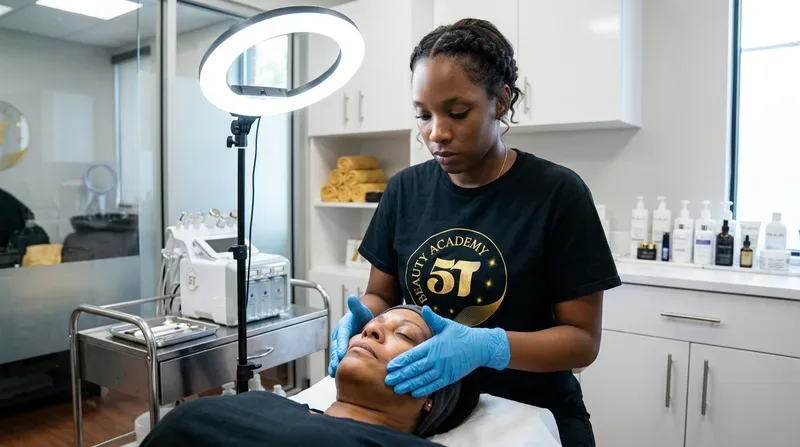
School plans give you the deep theory you need. Plus, you study the chemistry of pro item brews. Also, you learn how skin types react to harsh slough. Notably, this deep know-how splits licensed pros from fans. Thus, school lets you safely shape the skin of others.
Build a real career from skincare tips at home
The 600-hour Esthetician License track is full and rich. Plus, it teaches you to read complex skin states well. Also, you learn to spot skin types with care. Notably, students drill safe, advanced facials. So if you want the full course list, you might ask: what do you actually learn in esthetician school?
Knowing the cost is a key next step. So you can review an affordable esthetician school Raleigh NC cost guide today. Plus, this open data helps you plan your shift with calm. Indeed, licensed estheticians enjoy free hours and good pay. Thus, school in beauty pays back for life.
Next steps past skincare tips at home
Taking the first step to a new career feels great. Indeed, many top pros began by digging into items at home. So scan the school paths near you now. Plus, curious about beauty school? Test-drive our $0 online course. Also, some bold students grow into other beauty fields too.
For example, learning nail services and acrylic nails can grow your menu. Plus, this dual license makes you key to top salons and spas. Also, if cosmetics light you up, scan a makeup artist school track. Thus, beauty school turns a side love into a steady job.
Frequently asked questions
What are the top skincare tips at home for newbies?
For newbies, the five core skincare tips at home are clear. First, wash gently two times a day. Plus, put on broad-spectrum SPF 30 each morning. Also, use cream that fits your skin type. Then drink your water. Finally, sleep at least seven hours. So skip trendy acids and ten-step plans for three months.
How often should I exfoliate at home?
For most skin types, mild AHA use two to three nights a week works well. Plus, too much slough breaks the barrier and brings red skin. Also, more breakouts can show up. Notably, if you feel sting, tight skin, or peel, cut back fast. Then focus on cream and SPF while the barrier rebuilds in two to four weeks.
Can I use AHAs and BHAs at the same time?
In short, no — not on the same night and not full-face. Plus, use AHAs like glycolic for top-layer renew. Also, save BHAs like salicylic for spot care on breakouts, blackheads, or oily T-zones. Notably, mixing them daily thins the skin and sparks swelling.
How much sunscreen should I put on my face?
The AAD asks for a shot-glass dose (about two tablespoons) for the body. Plus, for the face and neck, use a nickel-size dollop. Also, this is about two finger-lengths (“the two-finger rule”). Notably, put SPF on cool, dry skin. Then wait 15 minutes and top up each two hours of sun time.
When does mascara really expire?
Mascara goes bad six months after you crack the tube. Plus, most derms and the FDA back this date. Notably, the wand drags germs from your lashes into a dark, damp tube. Indeed, this makes it a perfect germ host. Thus, stale mascara is a top cause of avoidable eye infect like pink eye and styes.
Do I still need cream if my skin is oily?
Yes. Plus, skipping cream on oily skin is a top mistake. Notably, dry skin ramps up oil flow to fight back. So use a light, non-comedogenic, oil-free gel cream day and night. Also, look for items like hyaluronic acid, niacinamide, or glycerin. Thus, these items add dew with no oil on the surface.
How do I know if I need a pro esthetician?
See a licensed esthetician for chronic acne, dark spots, age signs, or advanced work. Plus, these include peels, microneedling, or LED. Also, for medical issues — cystic acne, rosacea, eczema, or odd moles — see a board-certified derm. Notably, 5T grads learn to refer clients when clinical care is the right call.
Turn your passion for skincare into a career
Bright skin at home calls for more than pricey items. Plus, it asks for a steady, full-body plan. So mix a clean way of life with the right SPF use. Also, study the science of AHAs and antioxidants for smarter buys. Then track item dates to block sore germ flares. Thus, with these skincare tips at home, you can build a pro plan from today.
Ready to turn your love for skincare into a steady career? Plus, scan the 600-hour Esthetician License track at 5T Beauty Academy in Raleigh, NC. So start your trip toward a licensed skincare pro role.
- 📞 Call (919) 615-3031
- ✉️ Email 5tbeauty.academy.nc@gmail.com
- 📍 Visit 3306 Capital Blvd, Unit C, Raleigh, NC 27604
- 🗓 Try our $0 online beauty school test-drive
About 5T Beauty Academy
5T Beauty Academy is a NCBCAE-approved beauty school in Raleigh, NC. Plus, we run the 600-hour Esthetician License track and the 300-hour Manicurist License track. Also, our team trains future pros in skin care, nail tech, and makeup work. Visit 5tbeauty.com to learn more.
Disclosure: 5T Beauty Academy is a private postsecondary school in Raleigh, NC. Plus, our license programs follow rules from the NC Board of Cosmetic Art Examiners (NCBCAE). Earnings, hire rates, and exam pass rates may vary by student.