
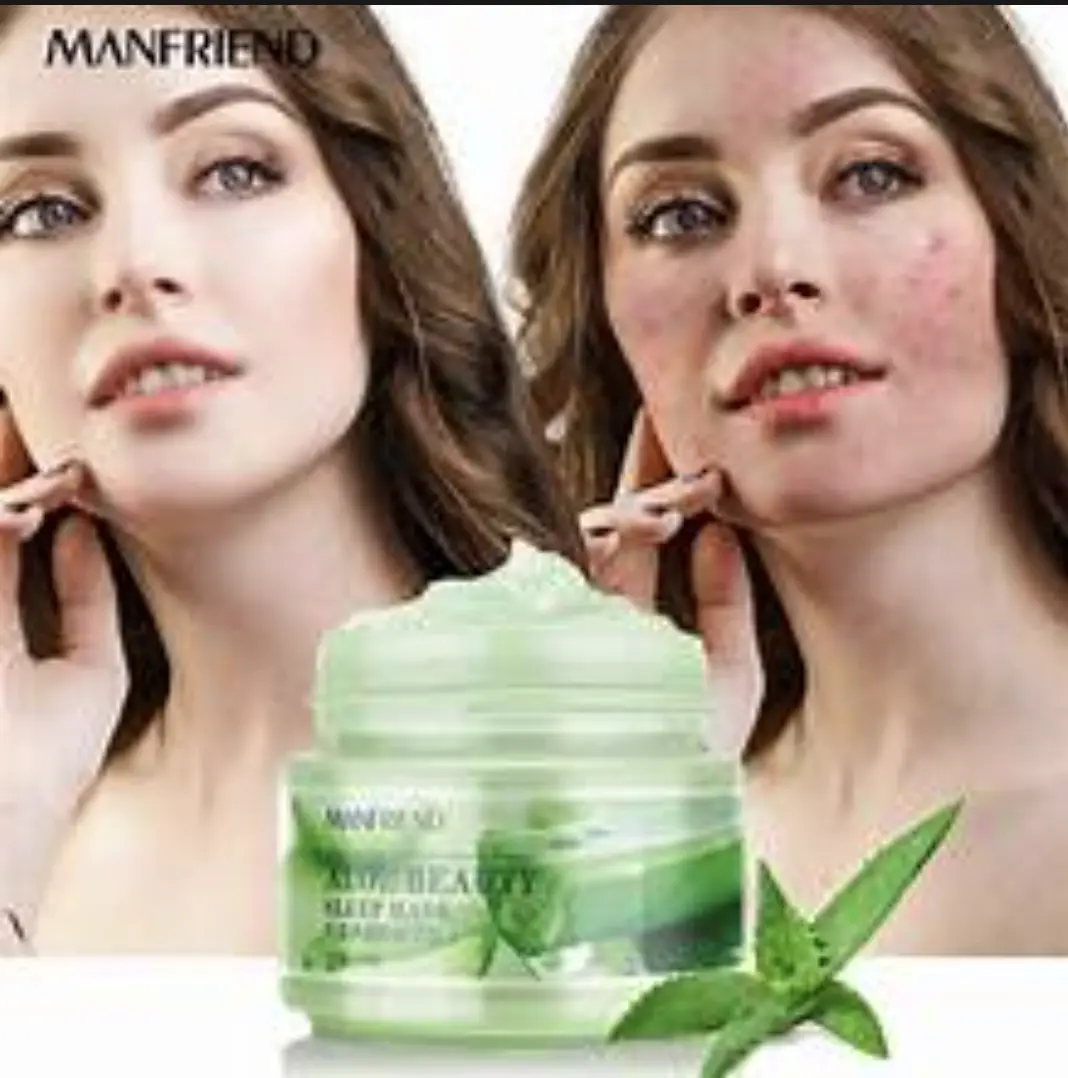
Description
1. What Is a Sleeping Mask?
A sleeping mask (overnight mask) is a leave-on treatment applied as the final step in your evening routine. Formulated with rich humectants, emollients, and active ingredients, it creates an occlusive layer that locks in moisture and nutrients throughout the night’s reparative cycle.
2. Types of Sleeping Masks
-
Hydrating Gel Sleeping Masks
-
Lightweight, water-based gels with hyaluronic acid and aloe for long-last hydration.
-
-
Cream/Occlusive Sleeping Masks
-
Rich creams containing oils, butters, or ceramides to repair barrier and prevent water loss.
-
-
Peptide & Growth Factor Masks
-
Infused with collagen-boosting peptides, EGF or FGF to support overnight regeneration.
-
-
Brightening Sleeping Masks
-
Contain vitamin C, niacinamide or arbutin to fade dark spots while you sleep.
-
-
Calming/Barrier Repair Masks
-
With panthenol, centella asiatica or colloidal oatmeal to soothe irritated or sensitive skin.
-
-
Exfoliating Overnight Masks
-
Low-strength AHA/BHA blends (e.g., glycolic 5%, salicylic 1%) that gently resurface while you rest.
-
3. Key Benefits
-
Intense Overnight Hydration
Occlusive texture prevents transepidermal water loss for plump, supple skin by morning. -
Enhanced Repair & Regeneration
Supports the skin’s natural nocturnal renewal, boosting collagen synthesis and cellular turnover. -
Improved Barrier Function
Emollients and ceramides reinforce the lipid barrier, reducing sensitivity and dryness. -
Targeted Treatment
Actives like peptides or brighteners work deeper during low-activity hours. -
Convenience
No rinse needed—simply apply before bed and wake up to visibly refreshed skin.
4. Possible Side Effects
-
Pillow Transfer & Staining
Heavier formulas may rub off onto linens; use a dedicated pillowcase. -
Pilling
Layering over silicones or heavy serums can cause mask to ball up. -
Breakouts
On very oily or acne-prone skin, occlusive ingredients may trap sebum—choose gel-based or oil-free versions. -
Sensitivity or Burning
Exfoliating sleeping masks can sting if barrier is compromised; start with lower strength.
5. Contraindications
Do not use a sleeping mask if you have:
-
Open Wounds or Active Acne Cysts (may trap bacteria)
-
Barrier-Compromised or Eczema-Prone Skin (unless mask is specifically barrier-repairing)
-
Allergy to Any Ingredient (e.g., fragrance, essential oils)
-
Recent Laser or Peel Treatments (unless cleared for overnight occlusion)
6. Before & After Treatment Care
| Phase | Guidelines |
|---|---|
| Pre-Mask Prep | • Double-cleanse to remove makeup/oil • Apply toner/essence to balance pH |
| Mask Application | • Smooth on a thin, even layer as last step • Avoid eye area if formula isn’t eye-safe |
| Morning After | • Gently cleanse with lukewarm water • Pat dry and follow with your daytime serum & SPF |
| Ongoing Use | • Use 1–3× per week depending on skin type and mask type • Adjust frequency based on tolerance |
7. Products to Use With Sleeping Masks
-
Gentle Cleanser (oil- or gel-based) to prep skin
-
Hydrating Toner or Essence for even absorption
-
Serum or Booster (optional) before mask—e.g., peptide, vitamin C
-
Sleeping Mask selected for your concern
-
Light Daytime Moisturizer & Broad-Spectrum SPF next morning
8. Step-by-Step Protocol
-
Cleanse Thoroughly
– Remove all makeup, sunscreen, and debris. -
Tone & Treat
– Apply toner or essence. Layer any lightweight serums (vitamin C, peptides). -
Apply Sleeping Mask
– Using fingertips or a spatula, spread a thin (1–2 mm) even layer over face—avoid eyelids and lips if not specified. -
Sleep & Repair
– Leave on overnight. Use a satin or silk pillowcase to minimize friction and transfer. -
Morning Rinse
– Rinse off with lukewarm water; follow with your daytime routine—moisturizer and SPF. -
Adjust Frequency
– Start with 1× per week; increase to 2–3× if skin tolerates and needs extra repair.
9. FAQs for Sleeping Masks
“How often should I use a sleeping mask?”
– Dry/Normal Skin: 2–3× per week
– Sensitive Skin: 1–2× per week (choose calming formulas)
– Oily/Combination: 1× per week with gel-based versions
“Can I layer a serum under my sleeping mask?”
Yes—apply water-based serums (hyaluronic acid, peptides) first. Avoid layering heavy oils that may pill under the mask.
“Do I need to rinse off in the morning?”
Yes—rinse with lukewarm water to remove residue and prevent pore clogging.
“Is a sleeping mask safe for acne-prone skin?”
Choose oil-free or gel-based sleeping masks with niacinamide or tea tree to prevent breakouts; avoid heavy occlusives.
There are no reviews yet.