
News & Events
Cream Mask
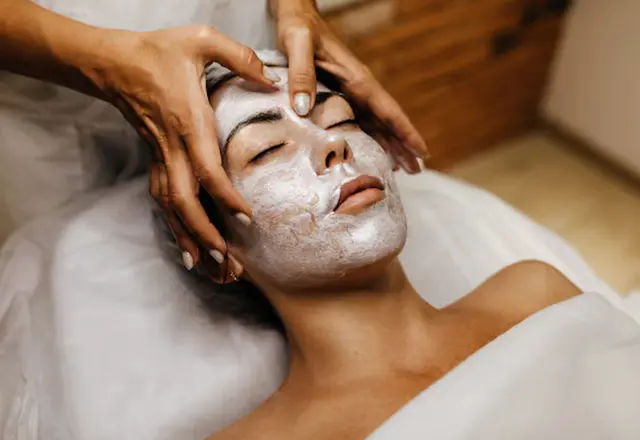
1. What Is a Cream Mask?
A cream mask is a thick, emollient-rich topical treatment formulated with hydrating agents (e.g., shea butter, ceramides), nourishing oils, and active ingredients (vitamins, peptides). When applied, it forms a moisture-locking layer that delivers intensive hydration, barrier repair, and targeted actives deep into the skin without drying.
2. Types of Cream Masks
- Hydrating & Nourishing Cream Masks
- Rich in emollients (butters, squalane) and humectants (glycerin, hyaluronic acid). Ideal for dry/dehydrated skin.
- Anti-Aging Cream Masks
- Contain peptides, collagen, retinol precursors to plump fine lines and boost firmness.
- Brightening Cream Masks
- Formulated with vitamin C, niacinamide, or licorice extract to even tone and fade discoloration.
- Calming & Barrier-Repair Cream Masks
- Include ceramides, panthenol, oat extract to soothe redness and strengthen the barrier.
- Oil-Control Cream Masks
- Lightweight cream gels with clay, kaolin, or salicylic acid to balance oil without over-drying.
- Detoxifying Detox Cream Masks
- Infused with charcoal, green tea, or sulfur for gentle deep-cleansing and pore refinement.
3. Key Benefits
- Deep Hydration & Moisture Lock
Emollients and occlusives seal in moisture, relieving dryness and flakiness. - Barrier Repair & Soothing
Supports lipid layer restoration, calms irritation and redness. - Targeted Active Delivery
Provides a concentrated dose of peptides, vitamins, or brighteners under occlusion for enhanced efficacy. - Improved Skin Texture
Softens rough patches and smooths fine lines with regular use. - Customizable Intensity
Cream mask thickness and leave-on time can be tailored to skin type and concern.
4. Possible Side Effects
- Temporary Greasiness
Heavier formulas may feel oily if left on too long or on very oily skin. - Mild Pilling
If layered over silicones or heavy serums, mask can ball up on the skin. - Clogged Pores (Rare)
On acne-prone skin, occlusive ingredients may trap sebum—choose oil-control variants. - Allergic Reaction
Fragrances, preservatives, or botanical extracts may trigger sensitivity—patch test new masks.
5. Contraindications
Do not use a cream mask if the client has:
- Active Acne Cysts or Inflamed Blemishes (may worsen comedones)
- Severely Oily or Congested Skin (unless formula is oil-control)
- Open Wounds, Cuts, or Sunburn in the treatment area
- Known Allergy to any mask ingredients (check full ingredient list)
6. Before & After Treatment Care
| Phase | Guidelines |
|---|---|
| Pre-Mask Prep | • Double-cleanse skin to remove makeup/oil • Lightly tone to balance pH |
| Immediately Post | • Rinse thoroughly with lukewarm water • Pat dry and apply soothing serum or light moisturizer |
| 1–2 Hours Later | • If skin feels greasy, blot gently then reapply a lightweight moisturizer |
| Home Maintenance | • Use cream masks 1–2× per week depending on skin need • Always follow with SPF if daytime |
7. Products to Use With Cream Masks
- Gentle Exfoliating Cleanser (pre-mask to remove surface debris)
- Hydrating Toner or Essence for pre-mask prep
- Cream Mask chosen for skin concern (hydrating, brightening, barrier-repair)
- Calming Serum (azelaic acid, panthenol) for post-mask soothe
- Lightweight Moisturizer if skin needs extra seal
- Broad-Spectrum SPF when used during the day
8. Step-by-Step Protocol
- Cleanse Thoroughly
- Use a gentle cleanser to ensure skin is free of oil and makeup.
- Prep
- Apply a thin layer of toner or essence to help mask spread evenly.
- Apply Cream Mask
- Using a brush or fingertips, smooth a 2–3 mm layer over the face, avoiding eyes and lips.
- Set Time
- Hydrating/Nourishing: 15–20 minutes
- Anti-Aging/Brightening: 10–15 minutes
- Oil-Control/Detox: 5–10 minutes
- Remove
- Wipe off excess with a damp cotton pad or rinse gently with lukewarm water.
- Soothe & Seal
- Pat on a calming serum, then follow with a lightweight moisturizer and SPF if daytime.
9. FAQs for Cream Masks
“How often should I use a cream mask?”
– Dry/Dehydrated: 2× per week
– Normal/Combination: 1–2× per week
– Oily/Congested: 1× per week (use oil-control variant)
“Is a cream mask safe for acne-prone skin?”
Yes—opt for oil-control or clay-infused cream masks with salicylic acid or charcoal, and limit wear time to prevent clogged pores.
“Can I sleep in a cream mask?”
Only if it’s specifically formulated as an overnight sleeping mask; regular cream masks are intended for short-term use and may clog pores overnight.
“What’s the average cost per professional cream mask treatment?”
In-spa cream mask add-ons typically range from $30 to $70, depending on specialty ingredients and layering options.